Phase 1 study success
A year ago, the WHO declared COVID-19 a global pandemic. Much has happened since the launch of Phase 1 of our COVID-19 early detection study in March 2020. Let’s dive into it. After months of busy data collection and analysis, our COVID-19 early detection paper was published in Nature Biomedical Engineering in November 2020. As the cover publication for the journal’s December Issue, our paper shows that 63% of the COVID-19 cases could have been detected before symptom onset in real-time. In four cases, we were able to detect the virus at least 9 days earlier than symptoms.
This publication is being widely discussed online, from the New York Times to Twitter (Thanks to Francis Collins!) and Reddit. Altmetric.com, the website that measures how much attention a publication is getting online, rates this paper a 1357 score this month, a number in the top 1% of all articles published since November 2020. And our number continues to grow.
If you are one of the 5000+ people who participated in our Phase 1 study, we want to thank you for your contribution and your patience as we strive to make improvements to your participation experience.
Phase 2 study updates
We launched Phase 2 of our study on Thanksgiving Day in 2020. This ongoing study aims to validate the algorithm used for real-time COVID-19 detection prior to symptom onset. Within 4 months, more than 3,300 participants have joined us internationally. We appreciate your effort to help spread the word.
We have had some amazing study results that we look forward to sharing with you soon via our Twitter and Instagram accounts.

Study app: MyPHD – My Personal Health Dashboard
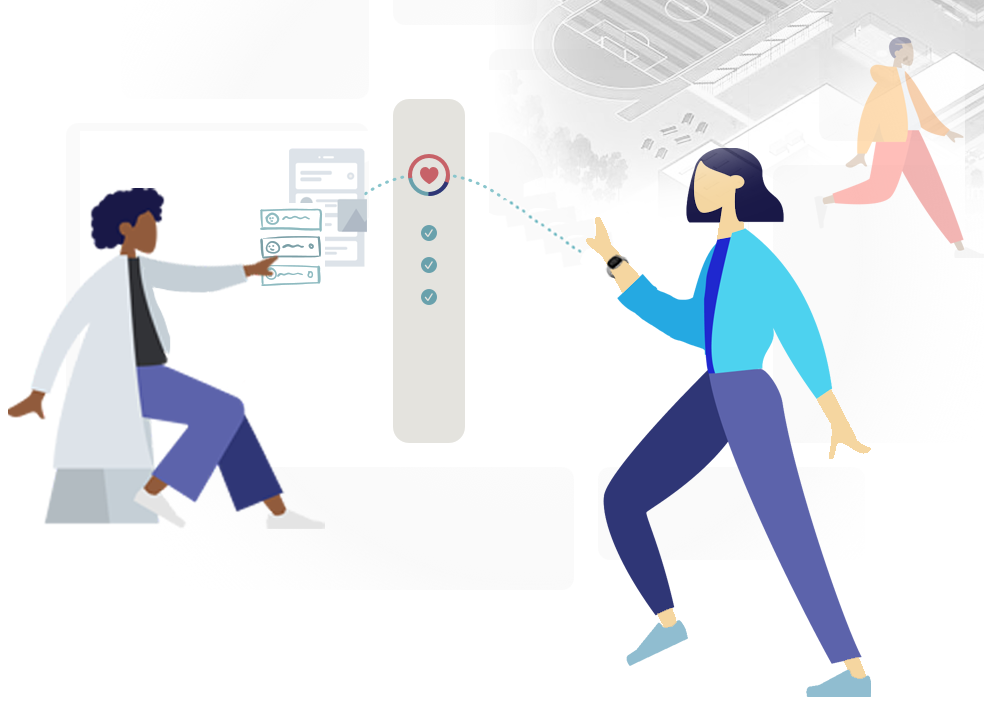
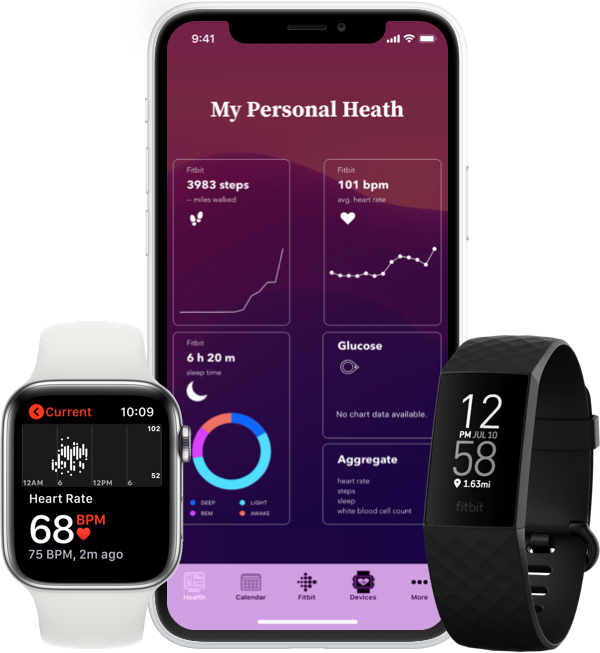
We get a lot of questions about the name of our study app, “MyPHD,” which stands for My Personal Health Dashboard. We think this name correctly reflects our long-term vision of giving every individual holistic access to their personal health information from the convenience of their mobile phone.
Currently, we are using the MyPHD app as a research platform to collect high-quality research data for various research studies, from infectious illnesses to chronic diseases. We have extended its use outside the walls of Stanford, sharing this technology with research institutions across the country to assist in the advancement of precision health research for all. For our Phase 2 study, we’ve had some major updates since the study launch:
- We use the app to validate our very own Night Signal algorithm, which uses overnight resting heart rate. This addition has given us more accurate presymptomatic detection for infectious diseases, like COVID-19.
- With the launch of vaccine programs, we added the vaccine survey to improve the algorithm.
- The app is available to both iOS and Android users, and is compatible with a range of wearable devices:
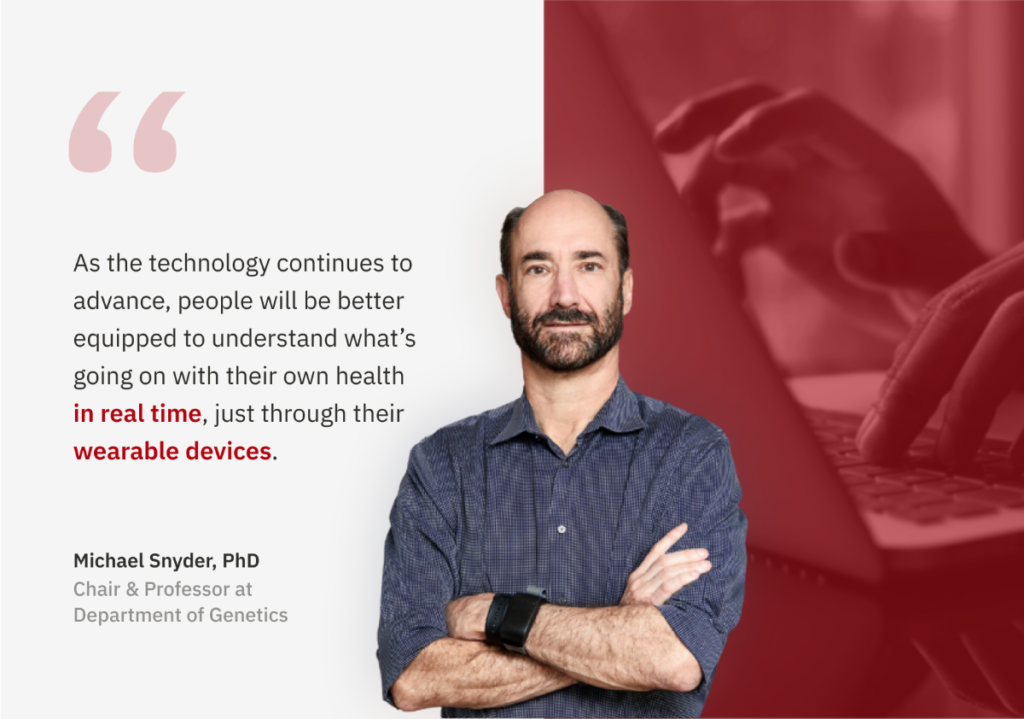
- We are currently working on the integration of SensOmics, a wearable device developed by Dr. Michael Snyder, and Google Fit.
- For iOS users with Garmin devices, we encourage you to contribute your data, although we are currently unable to provide algorithm results for security reasons.
- If you are an Android user with a Garmin device, we, unfortunately, do not have support for Garmin devices at this time.
Participant experience
If you have friends who are interested in participating in this study, please feel free to share this tutorial video that overviews the participant experience.
In short, we ask our participants to use our study app, MyPHD, to:
- Upload your wearable data every other day
- Answer 3-minute survey questions when you receive an alert via the app
App login for iOS users
This video is helpful for making the app login a smooth experience for iOS users. Alternatively, you can reference these diagrams to log in if you are using iOS Mail App, Outlook, Gmail, or Yahoo Mail.
Working as a very small team, we appreciate your support and patience as we try our best to improve your participation experience. We welcome you to leave us a positive review in App Store or Google Play to support the work that we are doing!
Alternatively, please kindly send us your feedback at wearables_validation@stanford.edu.