We invited Prof. Eric Topol, the Director and Founder of Scripps Research Translational Institute, as a guest speaker to a new course in the Department of Genetics, Cloud Computing for Biology and Healthcare (GENE222/CS273C/BMI222). “I don’t like the term precision medicine because if you keep making the same mistakes over and over again, it is very precise. We need accurate medicine.”, says Prof. Eric Topol. In the U.S., there are more than 12 million diagnosis errors each year, which means most of us will encounter one medical error once a year.
One contributor to this largely overwhelming number is human factors among healthcare practitioners, such as errors in interpreting medical images, fatigue after working intense and long hours, and cognitive bias.
This is where Artificial Intelligence (AI) can step in. Improving the accuracy and effectiveness of human efforts is what artificial intelligence is good at. Prof. Eric Topol went through the advancements in using deep learning models to reduce human errors, and to improve patient experience:
- Using AI on the human retina to diagnose kidney disease, control diabetes, predicting neural degenerative diseases, and predict the heart calcium score.
- Using machine vision to detect abnormal tissue in real time, and to decide whether the tissue needs biopsy.
- [Paring AI with sensors to monitor](https://www.nature.com/articles/s41586-020-2669-y#:~:text=Ambient intelligence can potentially illuminate,monitoring patients with chronic diseases.) the intensity of nursing support in ICU rooms to prevent falls, and to promote better hand washing in surgical settings.
- Using AI diagnostic tool to sequence critically ill neonates’ whole genome with interpretation in as fast as 13.5 hours
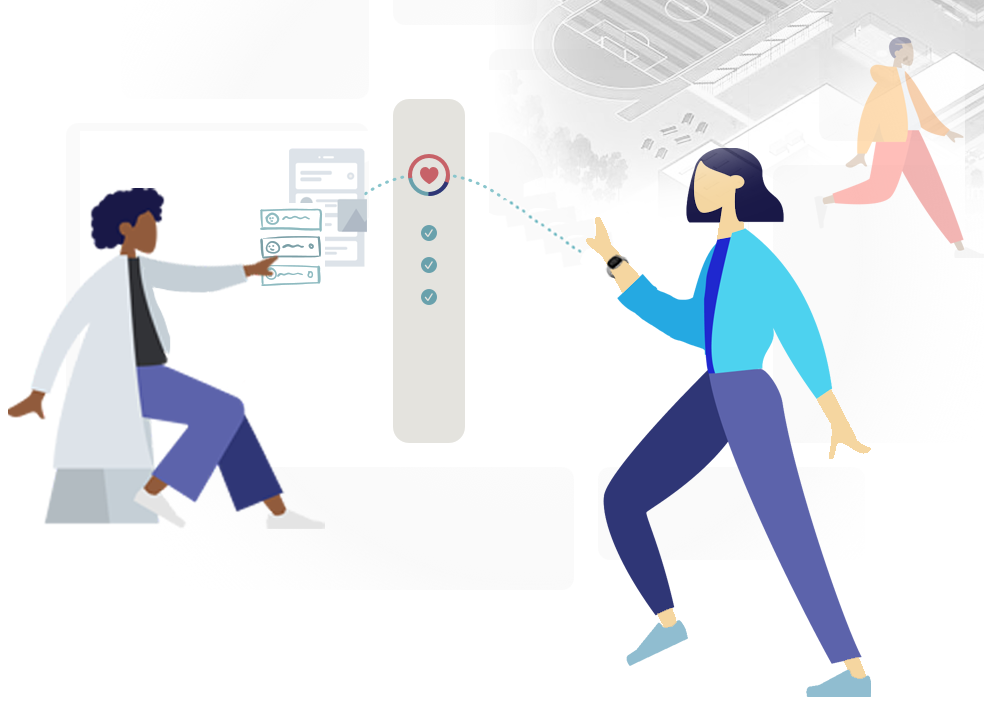
Despite the enormous transformation AI is creating across all healthcare professions, it also provides patients with autonomy in managing their own health. The implication of patient autonomy enabled by AI is going to significantly improve healthcare in areas where trained healthcare professionals are scarce. ****Here are some early examples:
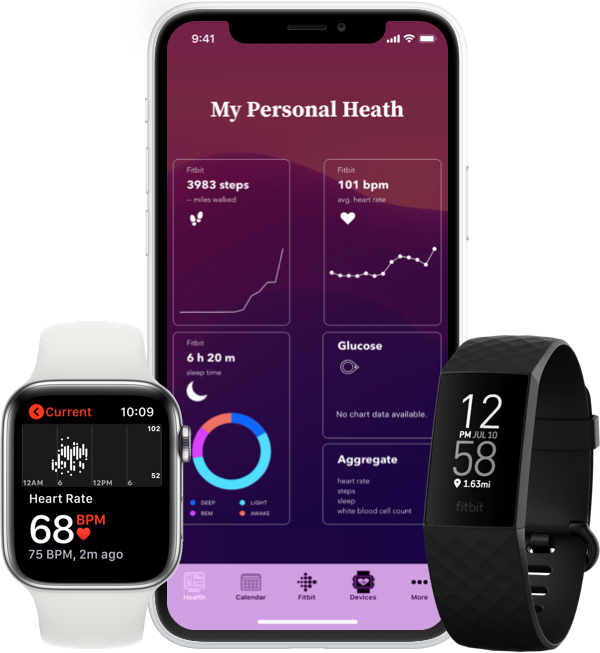
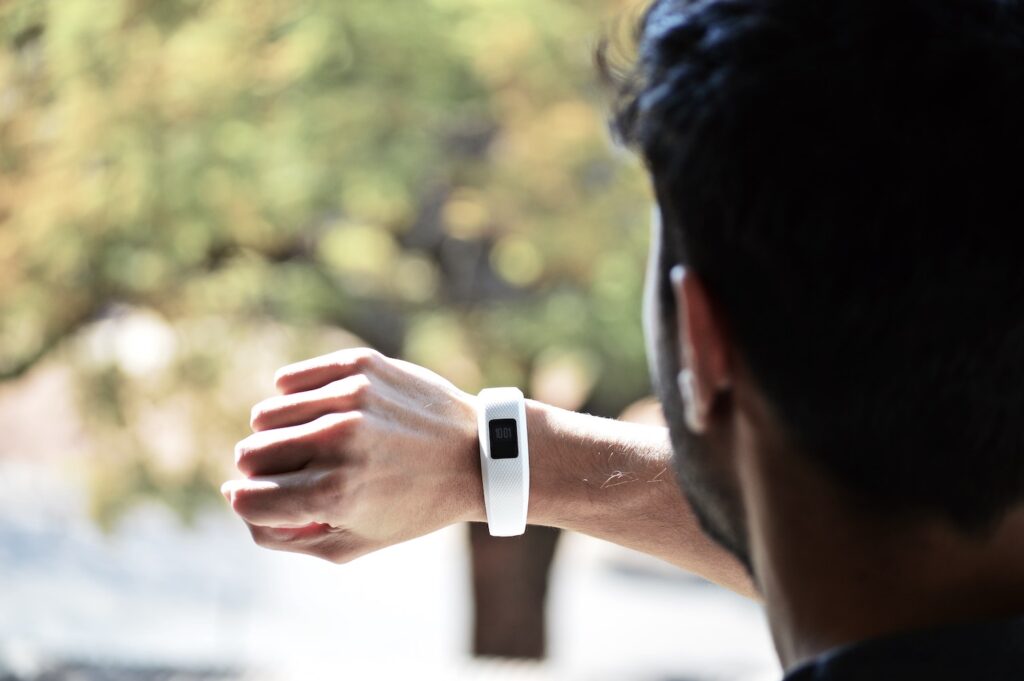
- Comparing incoming heart rate data with personalized baseline established over time to notify smartwatch users of irregular heart rate patterns.
- An At-home UTI testing kit utilizing a smartphone app to analyze urine samples on a dipstick and deliver immediate results.
- An average user without any training can create a high-resolution scan of organs within minutes within the convenience of their own home.
- AI health tool launched by Google can diagnose skin conditions using a smartphone app.
AI health tools give more precious time back to healthcare practitioners to engage in thorough thinking and making better judgments. It also provides patients with better access to high-quality healthcare at convenience. Prof. Eric Topol ended the talk with a profound message: human needs are at the core of healthcare, so healthcare practitioners’ empathy for the patients plays a unique role that is irreplaceable by AI.